Discourse Guide
In 2026, the discourse programme focuses on the vital signs of our time and on the question of how vitality can be found or generated within systems that appear exhausted and under severe pressure: in the economy and the climate, in political institutions, in media publics, and in interpersonal relations.
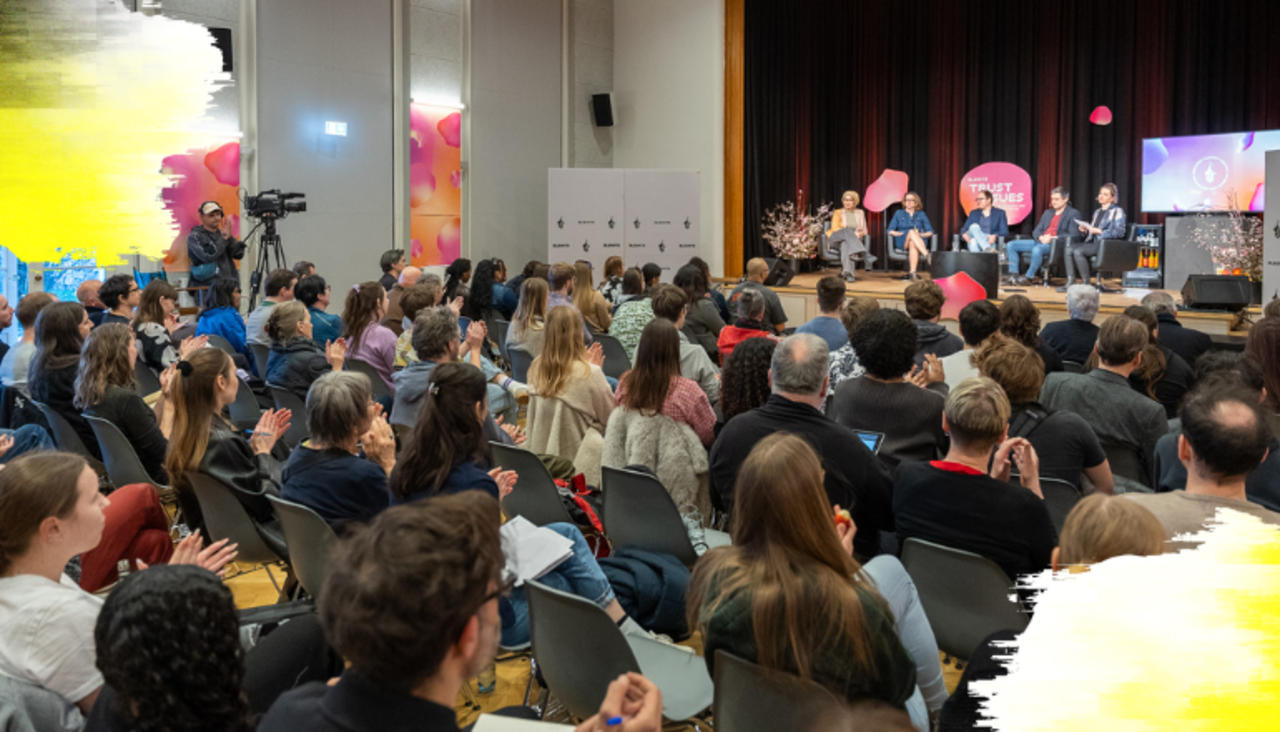
Through lectures, discussions, workshops, film screenings and performances, Elevate 2026 poses the question: what does it mean to be alive and capable of action in times of social exhaustion, systemic crises and political regression – physically, socially, culturally and politically? To explore these questions, the Heimatsaal at the Graz Museum of Folk Life once again becomes a space for debate over three days, bringing together national and international guests.
Which signs of renewal and regeneration can be perceived beyond normative concepts of health, productivity or efficiency? What effective scenarios can be developed once artificial oppositions between climate and prosperity, innovation and regulation, security and the welfare state are finally overcome? Whether in economic policy, democracy, digital transformation or security politics, the challenges are immense – but so too is the diversity of capacities for shaping something new.
Even if it does not always seem so: the world is full of solutions, and it is too late for pessimism.
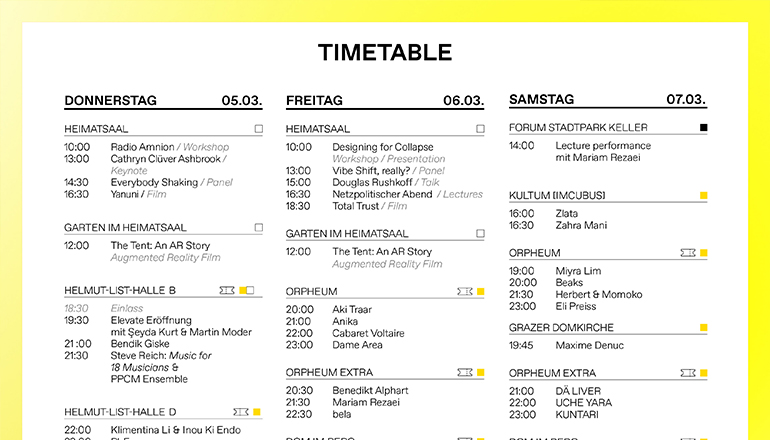
Thursday: Oceanic Listening, Caring World Relations and a Wake-Up Call for Democracy
The first day of the festival begins with an immersive workshop on the project “Radio Amnion” by internationally active Canadian artist and researcher Jol Thoms, whose work has been presented at venues such as the Biennale di Venezia and institutions including Tate Modern. He is joined by Denise Helene Sumi from the Weibel Institute for Digital Cultures at the University of Applied Arts Vienna.
“Radio Amnion” is a multi-year sound art project that transmits compositions by contemporary artists via a submerged neutrino telescope more than two kilometres deep into the Pacific Ocean. Through a shared listening session and discussion, participants experience how oceanic listening can sensitise us to understanding the planet as a living entity.
This is followed by a keynote lecture by Cathryn Clüver Ashbrook. The German-American political scientist is considered one of the most prominent transatlantic voices of our time and is a sought-after commentator in leading media such as the Financial Times, The New York Times and The Washington Post, as well as on television (ORF, ARD, ZDF, CNN, BBC).
In her book Der Amerikanische Weckruf, she demonstrates how American democracy is being systematically undermined and warns that the same patterns are increasingly taking hold in Europe.
The panel “Everybody Shaking: Resistant Joy in Life, Caring World Relations” then brings together perspectives from body politics, critical care and more-than-human relations. Simon(e) van Saarloos, writer and author of Against Ageism: A Queer Manifesto, questions normative ideas of ageing and relationships. Andrea Schöne, author, journalist and political educator, contributes perspectives on inclusion and (eco-)ableism. Jol Thoms, artist and researcher, shares insights into care as a relationship between human and more-than-human worlds. Moderated by Elevate curator and transformation psychologist Irina Nalis, the panel asks how “Vital Signs” can become resistant forms of vitality.
Before the programme continues at Helmut List Hall, Elevate presents the documentary “Yanuni” at the Heimatsaal. Austrian director Richard Ladkani (Sea of Shadows, The Ivory Game) tells the story of Juma Xipaia, an Indigenous leader from the heart of the Amazon. Produced among others by Leonardo DiCaprio, the film has received awards at more than twenty festivals worldwide and has been shortlisted for the Academy Award for Best Documentary Feature.
Festival Opening at Helmut List Hall
For this year’s opening ceremony, Elevate moves to Helmut List Hall on Thursday evening for the first time. The evening is hosted by Austrian molecular biologist, author and science cabaret performer Martin Moder. Discourse curator Irina Nalis and Elevate co-founder Bernhard Steirer provide an outlook on the remainder of the festival programme.
The opening address is delivered by freelance journalist and author Şeyda Kurt, whose bestselling books Radikale Zärtlichkeit – Warum Liebe Politisch ist (2021) and Hate: The Uses of a Powerful Emotion (2023) explore the political dimensions of love and hatred.
Friday: Designing After Collapse, Broligarchy and Authoritarian Fantasies
“For them, the future of technology is about only one thing: escape from the rest of us.” Douglas Rushkoff, Survival of the Richest
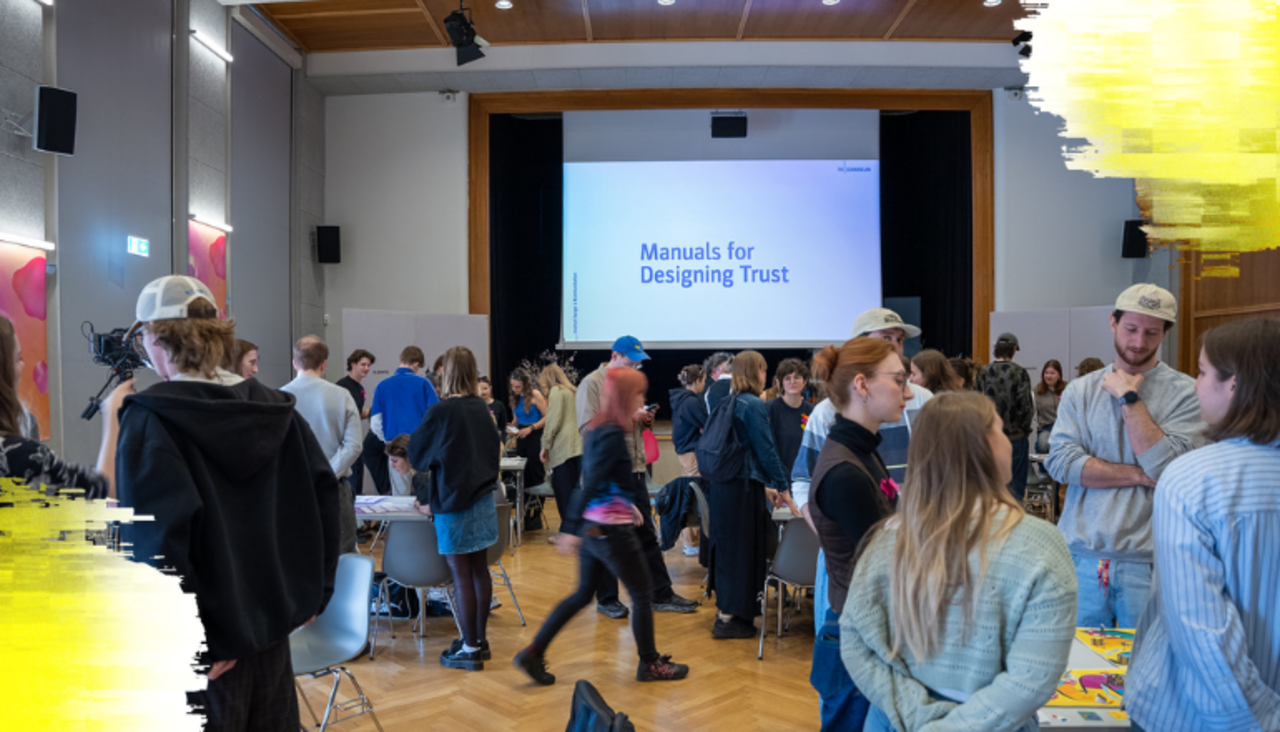
Friday begins with the workshop “Designing After Collapse”. Students of the Bachelor’s programme in Information Design present initial results from a parallel course at FH JOANNEUM. The starting point is a speculative scenario in which the internet has been permanently shut down. Against this backdrop, the workshop examines how “Vital Signs” might remain visible or emerge anew within social, technological and organisational systems. Together with lecturers Birgit Bachler, Andreas Förster, Chad Reichert, and designer and design theorist Harald Gründl, the workshop opens a space for exchange on the role of design when familiar systems can no longer be taken for granted.
Vibe Shift, really?
The opening panel “Vibe Shift, really? Broligarchy, Tech Power and Authoritarian Fantasies” analyses the political culture of digital publics and techno-authoritarian tendencies. Christian Schiffer, journalist and Grimme Award winner (The Peter Thiel Story), examines these developments, while theologian and conflict researcher Wolfgang Palaver contextualises the ideological foundations of these power fantasies and their proximity to US tech elites and political actors. Anna-Verena Nosthoff, Junior Professor of Digital Ethics and Co-Director of the Critical Data Lab, researches techno-authoritarianism and the societal impact of technology companies and the digital transformation of the public sphere. Moderated by Sarah Kriesche (Ö1), the discussion asks whether the so-called vibe shift marks a genuine turning point or functions as a narrative that disguises authoritarian solutions as technological progress.
The role of US tech elites in the erosion of democratic institutions is further explored in a talk by Douglas Rushkoff, one of the world’s most influential media and technology theorists. Since the early 1990s, Rushkoff has analysed digital transformations – from early net cultures and the promises of platform economies to today’s techno-authoritarian tendencies in Silicon Valley. In books such as Throwing Rocks at the Google Bus, Team Human, and the widely discussed essay Survival of the Richest, he critically examines the ideologies of the tech industry and their social, political and economic consequences.
Now a fixture of the festival, the Network Policy Evening, organised in cooperation with epicenter.works and Spektral, once again takes place on Friday. Moderated by Elisabeth Kury, it offers insights into current digital policy issues. Sebastian Kneidinger speaks, among other topics, about attacks on the GDPR (General Data Protection Regulation).
Saturday: Europe’s Capacity to Act, Regenerative Economies and a Response to Polarisation
On Saturday morning, American-Chinese artist Mary Maggic invites participants to the blind-creation workshop “Feeling Our Way Forward”. With their eyes covered, participants use the body as a source of sensory wisdom, imagining how we might survive together in uncertain worlds. A collective sculpture emerges, making uncertainty, vulnerability and mutual dependence tangible as creative forces, while visually dominated forms of knowledge are questioned in favour of embodied, relational ways of shaping the world.
This is followed by a conversation with author, freelance journalist and podcaster Gilda Sahebi. Trained as a medical doctor and political scientist, Sahebi challenges the notion of omnipresent polarisation in her Spiegel bestseller Verbinden statt spalten: Eine Antwort auf die Politik der Polarisierung, revealing it as politically constructed and media-amplified, and discussing ways to reorient everyday life and public discourse towards what connects rather than divides.
In the panel “Europe’s Capacity to Act: War, Economy and Fragile Alliances”, Sven Biscop, expert in European security and defence policy, and Dmitry Nekrasov, economist specialising in the Russian economy, sanctions regimes and geo-economics, discuss whether Europe is merely managing its crises or capable of developing new forms of political agency. Moderated by Stefan Lenglinger (ORF / Zeit im Bild).
The Future Is Not in Short Supply
Unter dem Titel “Zukunft ist keine Mangelware: Regeneratives Wirtschaften statt Resignation” geht es anschließend um die Frage nach konkreten Möglichkeiten für ein regeneratives Wirtschaften.
Im Gespräch: Ilona Otto, Soziologin und Klimawissenschaftlerin, Georg Günsberg, Klimaökonom und Mitgründer des Kontext Instituts, sowie Baro Vicenta Ra Gabbert, Greenpeace-Sprecherin, Juristin und Autorin von “Keine Zukunft ist auch keine Lösung.” Moderiert von Katharina Kropshofer, Wissenschaftsjournalistin mit Schwerpunkt Umwelt und Gesellschaft, richtet das Panel den Blick auf wirtschaftliche Regeneration als demokratische Gestaltungsaufgabe zwischen politischer Blockade und konkreten Lösungsansätzen.
Zum Abschluss verbindet die investigative Lecture Performance „Propaganda“ Journalismus und Theater. Florian Skrabal, Mitgründer und Herausgeber der Rechercheplattform DOSSIER, bringt Methoden investigativer Recherche auf die Bühne und beleuchtet den Umgang mit Fakten, Fake News, parteinahen Medien und die Funktionsweisen moderner Propaganda.
All speakers in the 2026 discourse programme
Andrea Schöne (DE) | Andreas Förster (AT) | Anna-Verena Nosthoff (DE) | Baro Vicenta Ra Gabbert (DE) | Birgit Bachler (AT) | Cathryn Clüver Ashbrook (DE) | Chad Reichert (US) | Christian Schiffer (DE) | Daniela Pisoiu (AT) | Denise Helene Sumi (AT) | Dmitry Nekrasov (RU) | Douglas Rushkoff (US) | Elisabeth Kury (AT) | Florian Pirker (AT) | Florian Skrabal (AT) | Florian Troebinger (AT) | Georg Günsberg (AT) | Gilda Sahebi (DE) | Harald Gründl (AT) | Ilona Otto (AT) | Irina Nalis (AT) | Jol Thoms (CA) | Katharina Kropshofer (AT) | Martin Moder (AT) | Mary Maggic (US) | Samira Kossebau (DE) | Sarah Kriesche (AT) | Sebastian Kneidinger (AT) | Şeyda Kurt (DE) | Simon(e) van Saarloos (NL) | Stefan Lenglinger (AT) | Sven Biscop (BE) | Wolfgang Palaver (AT)